
5 Rollator For Elderly Tips You Must Know About For 2024
Understanding Rollators for the Elderly: A Comprehensive Guide
As our liked ones age, keeping mobility and independence ends up being a vital aspect of their quality of life. Rollators, a kind of mobility aid particularly created for the elderly, play a substantial role in assisting seniors preserve their self-reliance while guaranteeing their safety when walking. This short article provides a thorough understanding of rollators, discussing their features, benefits, types, and important considerations for selecting the right one.
What is a Rollator?
A rollator is a wheeled walker geared up with a frame, handlebars, and wheels that allow smoother and more stable motion for people having trouble walking. Unlike standard walkers, rollators include four wheels and typically include a seat, making it easier for users to take breaks during their strolls.
Key Features of Rollators
Rollators feature several crucial functions that offer convenience and safety for elderly users. Here’s a table summing up some crucial features:
| Feature | Description |
|---|---|
| Wheels | Typically have four wheels for easy maneuverability |
| Brakes | Hand-operated brakes make it simple to stop the rollator |
| Seat | Many designs consist of a cushioned seat for resting on the go |
| Storage | Under-seat baskets or front bags to bring individual products |
| Height Adjustment | Manages that can be height-adjusted for private comfort |
| Foldability | The majority of rollators can be quickly folded for transportation and storage |
Benefits of Using a Rollator
Rollators are created with the requirements of the elderly in mind and include various benefits:
- Increased Mobility: Rollators provide stability, enabling seniors to walk more easily without the worry of falling.
- Enhanced Independence: With a rollator, older grownups can move their homes and neighborhoods more easily.
- Padded Seat: The inclusion of a seat allows users to rest whenever they feel fatigued.
- Storage Solutions: Rollators can hold bags or personal valuables, enabling users to transfer products without additional effort.
- Safety Features: The brakes ensure that the rollator stays in location when required, reducing the threat of unintentional slips.
Types of Rollators
Picking the best rollator depends on the individual’s particular needs. Here are several types frequently found on the marketplace:
- Standard Rollators: Usually equipped with 4 wheels, brakes, and a seat. Ideal for most users.
- Durable Rollators: Designed for bigger and much heavier individuals, these models frequently support more weight and provide a wider seat.
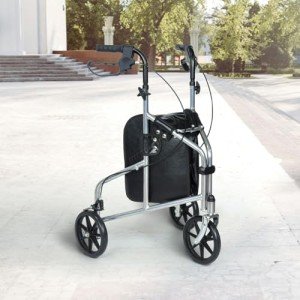
- Three-Wheel Rollators: More compact and much easier to steer, ideal for indoor use or tight spaces.
- Bariatric Rollators: Specifically developed to support much heavier weights and supply extra stability and convenience.
- Folding Rollator Rollators: Lightweight and easily foldable, perfect for travel or those with limited storage area.
Factors to Consider When Choosing a Rollator
Choosing the ideal rollator involves thinking about various essential factors:
- Weight Capacity: Ensure the rollator can support the weight of the user easily.
- Manage Height: The height needs to be adjustable to prevent pressure while using the rollator.
- Weight of the Rollator: A lightweight rollator is simpler for the user to deal with.
- Storage Options: Look for rollators with enough storage space for individual items.
- Surface Suitability: Consider whether the user will primarily use the rollator indoors, outdoors, or on irregular surfaces.
Extra Features to Look For
- Reflective Materials: For enhanced presence in low-light conditions.
- Convenience Grips: Ergonomic manages to offer convenience during extended use.
- Tire Type: Soft tires are better for indoor use, while tough tires can deal with rough outdoor terrains.
Regularly Asked Questions (FAQs)
1. How do I understand if a rollator is right for me or my liked one?
Assess the individual’s mobility concerns, their living environment, and their strength. Consulting with a doctor can also supply customized recommendations.
2. Can rollators be utilized outdoors?
Yes, many rollators are particularly designed for outdoor use and include bigger wheels for much better maneuverability on uneven surfaces.
3. How do I keep a rollator?
Routine cleaning of the frame, inspecting the brakes for functionality, and making sure wheels remain in excellent condition are vital for upkeep.
4. Is it safe to use a rollator on stairs?
Rollators are not created for use on stairs. Alternative stair climbing up aids or help from caretakers should be thought about.
5. What is the distinction in between a rollator and a walker?
While both are mobility aids, rollators have wheels and are created for boosted mobility and stability, whereas walkers need users to lift them as they walk and usually do not have wheels.
Rollators substantially improve the quality of life for the elderly by promoting independence and safety in mobility. With different types, features, and considerations, it is crucial for caregivers and family members to pick the proper rollator for their enjoyed ones. Buying a quality rollator can provide the elderly with the confidence to navigate their environments, continue enjoying their day-to-day activities, and bring back a sense of self-reliance in their lives.