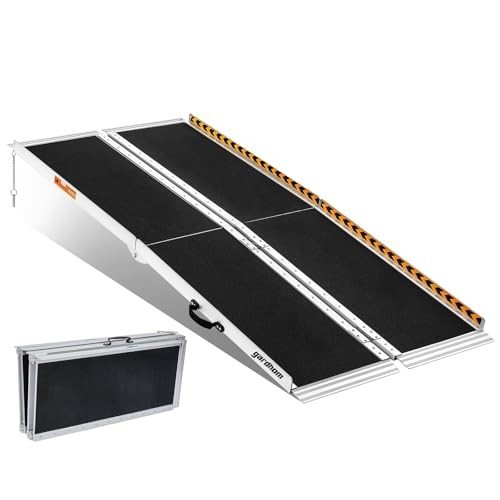
You’ll Never Be Able To Figure Out This Disabled Ramps’s Tricks
Portable Ramps for Wheelchairs: Enhancing Mobility and Independence
Mobility plays a crucial role in the lives of people with impairments, and one of the most considerable developments that promote self-reliance is the availability of portable ramps for wheelchairs. These ramps provide a versatile service for getting access to various environments, allowing users to navigate efficiently throughout thresholds, stairs, and other barriers. In this article, we will explore the kinds of portable ramps, their functions, and how to choose the best one for your requirements. Furthermore, we’ll answer some regularly asked questions to supply an extensive summary of this crucial mobility aid.
Types of Portable Wheelchair Ramps
Portable wheelchair ramps been available in several styles, each designed for specific applications. Below is a table that outlines the primary types:
| Ramp Type | Description | Best For |
|---|---|---|
| Folding Ramps For Wheelchairs Ramps | Compact and simple to transport; can be saved in automobiles | Daily usage and travel |
| Telescoping Ramps | Adjustable length; frequently utilized for different heights | Versatile for various locations |
| Roll-Up Ramps | Versatile, lightweight style; perfect for uneven surface areas | Travel and outside activities |
| Single Fold Ramps | Simple fold style; fantastic for residential usage | Home entryways and patios |
| Multi-Fold Ramps | Several areas for comprehensive access; accommodates bigger cars | Vans and trucks |
Comprehensive Insights on Ramp Types
-
Folding Ramps: Folding ramps are designed to fold in half or thirds, making them easy to carry. They’re commonly made from aluminum, offering a robust and lightweight option. They’re best for everyday jobs, such as getting in a home or going to a friend’s location.
-
Telescoping Ramps: These ramps have adjustable lengths, enabling users to customize the height for different applications. They work when regular adjustments are necessary, making them appropriate for a vast array of environments from homes to public buildings.
-
Roll-Up Wheel Chair Ramps: As the name suggests, these ramps roll up into a compact shape, making them very portable. They are ideal for outside usage or in environments with unpredictable surface, such as parks or unequal pathways.
-
Single Fold Ramps: This style involves a single fold, permitting for ease of set-up and stability. These ramps are terrific for home usage– particularly for entrances or steps.
-
Multi-Fold Ramps: These Disabled Ramps can handle heavy loads and are typically utilized to access vehicles like vans and trucks. They can be unfolded to produce a long ramp for larger loads, making them extremely flexible.
Key Features to Consider
When choosing a portable ramp, numerous functions ought to be taken into account to guarantee it meets your specific needs:
1. Material
- Aluminum: Lightweight and long lasting, popular for numerous types.
- Plastic: Offers versatility and deterioration resistance, ideal for outdoor settings.
2. Weight Capacity
- Ramps come with various weight capacities. It’s necessary to pick a ramp that can securely support the weight of both the wheelchair and the user.
3. Length and Incline
- The length of the ramp is critical for usability. The incline needs to not surpass 1:12 for manual wheelchairs and 1:4 for power chairs according to ADA recommendations.
4. Mobility
- Think about how simple it is to carry the ramp. Features such as weight, folding ability, and whether it includes a bring case are necessary.
5. Grip and Surface
- Non-slip surface products are important for security. Look for ramps with textured surfaces or side rails for included security.
6. Storage Solutions
- Some ramps include extra functions, such as bring handles, and simple storage solutions that enhance area when not in use.
Benefits of Using Portable Wheelchair Ramps
Using portable wheelchair ramps extends beyond simple accessibility– these important tools use a variety of advantages:
-
Independence: Users can navigate spaces without help, boosting their autonomy.
-
Flexibility: They can be utilized in a range of settings, from homes and offices to outdoor environments.
-
Convenience: Ramps can be utilized at brief notice, making unscripted trips simple and possible.
-
Safety: Reduces the risk of falls or mishaps when transitioning in between different height levels.
Regularly Asked Questions (FAQs)
1. How do I pick the right ramp?
When picking a ramp, consider the height you need to overcome, the kind of wheelchair you use, and your environment (portable vs. irreversible installation). Always check the weight capability and safety functions.
2. Can portable ramps be utilized outdoors?
Yes, the majority of portable ramps are developed to endure outdoor conditions, but guarantee they have non-slip surfaces and durable products.
3. How high can a portable ramp be?
According to ADA guidelines, the perfect ratio is a slope of 1:12 for wheelchairs, indicating for every inch of height, there need to be at least 12 inches of ramp length.
4. Exist ramps appropriate for various terrains?
Yes, roll-up and telescoping ramps are particularly efficient for unequal surfaces and surfaces, making them versatile for outside use.
5. Will insurance cover the cost of a portable Metal Ramp For Wheelchair?
Coverage for portable ramps can differ based upon individual insurance strategies and situations. It is a good idea to check with the insurance provider for specifics.
In summary, portable Wheelchair Ramps For Mobile Homes ramps are important tools that greatly improve mobility and independence for wheelchair users. By understanding the different kinds of ramps, crucial functions to think about, and the advantages they offer, people can make informed choices that suit their needs. Whether for day-to-day errands or outdoor adventures, a portable ramp can significantly enhance accessibility and allow individuals to traverse their environment with confidence.